Sudden Hands in the Hot Fields: Muslim Villagers in Mewat Halt Their Journey to Help a Struggling Hindu Farmer Gather Wheat Straw
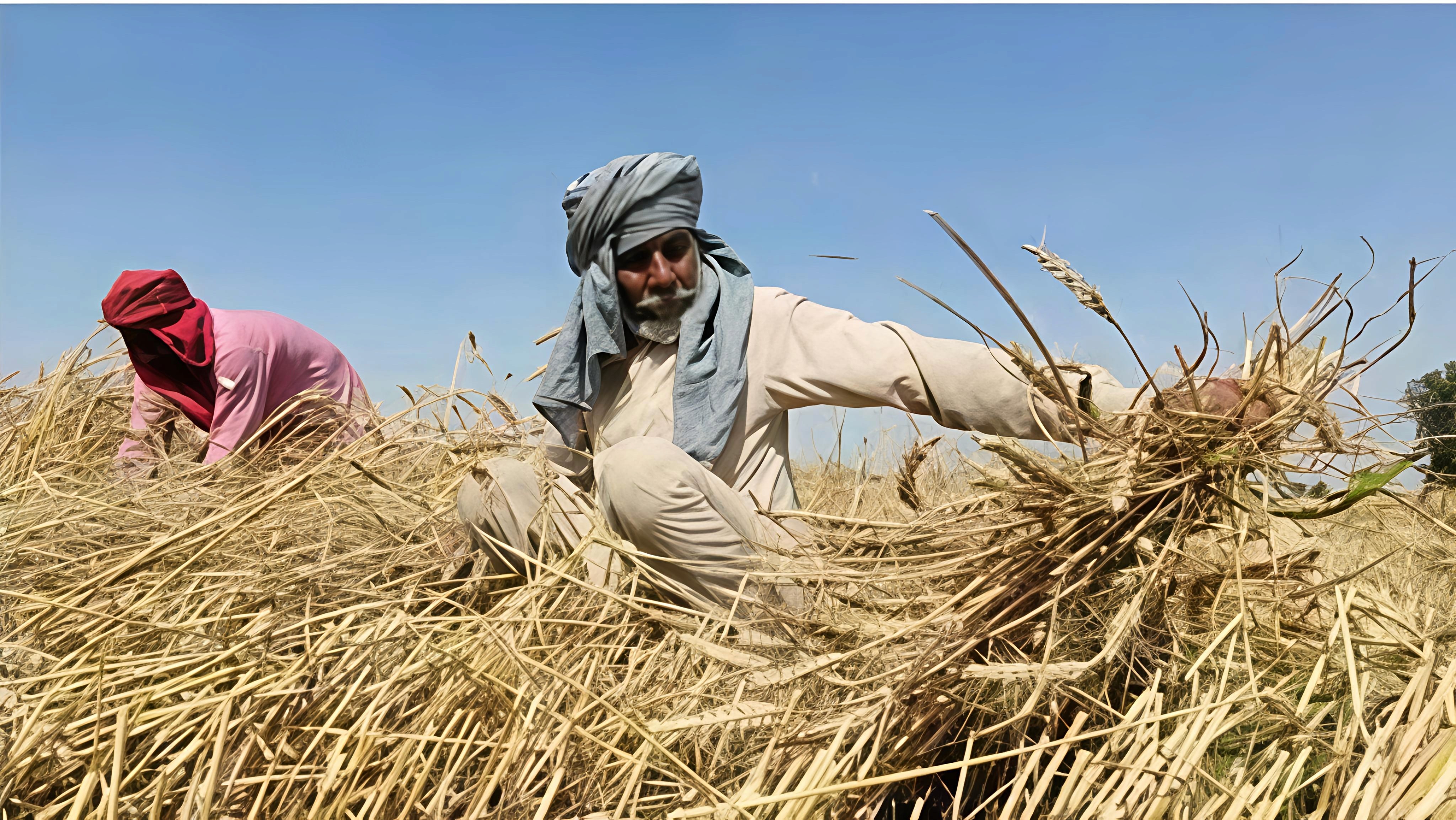
On a scorching April afternoon in Haryana’s Mewat, when a lone Hindu farmer battled the midday sun to collect heavy wheat straw, a large group of Muslim villagers returning from a gathering quietly set down their own work and joined him — finishing the back-breaking task in minutes and turning an ordinary field into a living symbol of effortless rural harmony.
April 10, 2026. The wheat fields near Nuh in Mewat shimmered under the harsh Haryana sun. A Hindu farmer, working alone, was bent over, sweat dripping as he tried to gather and bundle the heavy straw left after harvest. The load was too much for one person; the heat made every movement exhausting. He had been struggling for hours with no help in sight.
Then, a group of Muslim villagers — around 30–40 men returning from a local community gathering — walked past the field. Without a word or any call for assistance, they simply stopped, rolled up their sleeves, and stepped into the field. In a matter of minutes, the collective effort turned the tiring job into swift teamwork. Some lifted the heavy bundles, others tied them neatly, and within a short time the entire patch was cleared and stacked.
There were no speeches, no cameras seeking attention, and no formal thanks exchanged in that moment. Just quiet, instinctive help between people who live in the same villages, share the same roads, and understand the hard reality of farming life. The farmer later expressed his deep gratitude, saying the sudden support felt like a blessing from above.
In Mewat, a region often stereotyped in national narratives, this small but powerful act on April 10 stood out for its sheer simplicity. It showed that harmony in rural India often looks exactly like this — neighbours noticing a fellow farmer in need and choosing, without hesitation, to lend their hands under the same burning sun.