Bengaluru’s Neighbourhood Iftars Turn into Bridges of Trust: Hindus, Muslims and Christians Break Bread Together
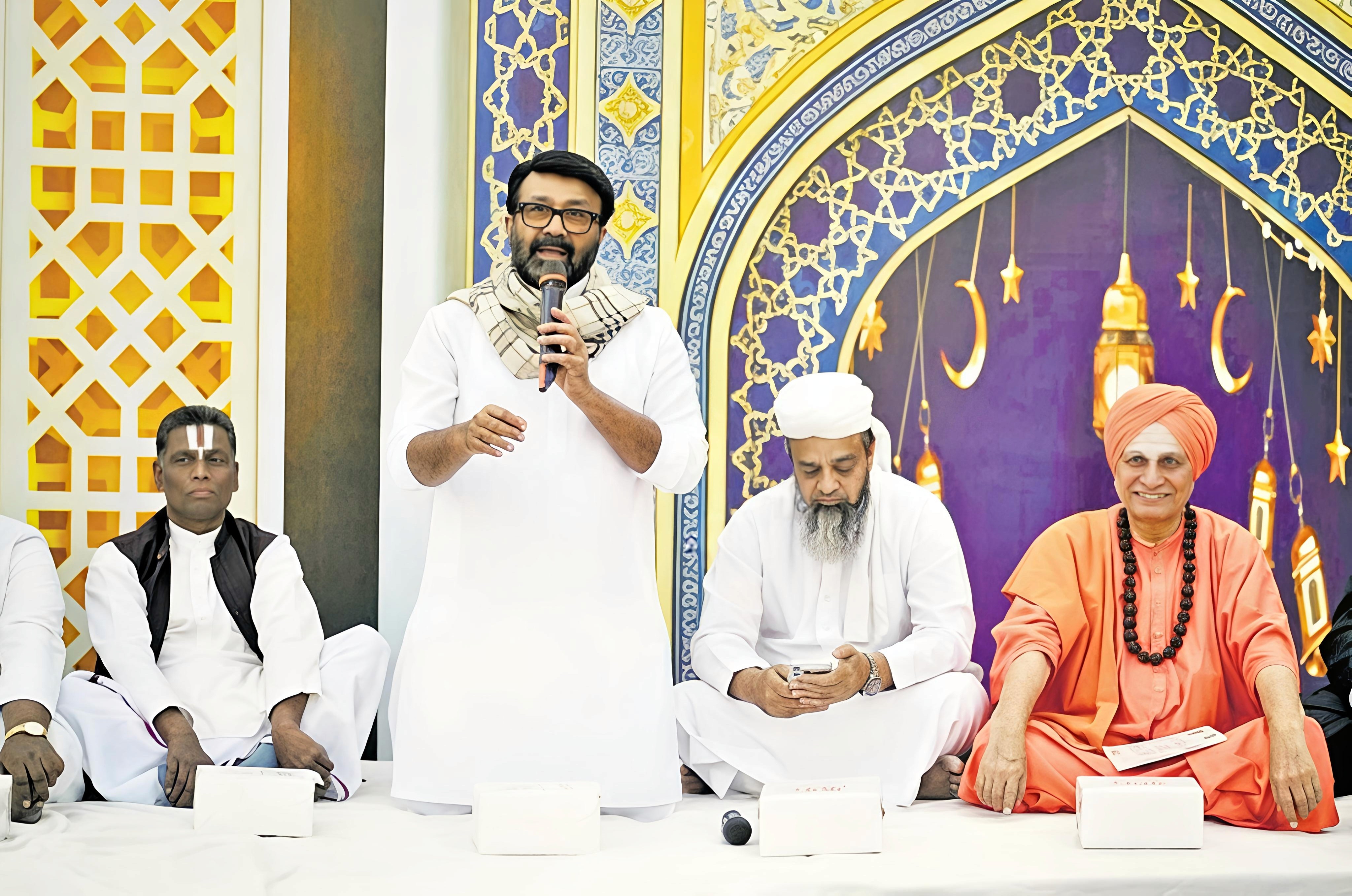
Throughout March 2026, ordinary residents of Bengaluru organised dozens of small interfaith iftar gatherings where Hindus, Muslims and Christians sat together, shared meals and stories, quietly rebuilding everyday trust one plate at a time.
As Ramadan progressed, Bengaluru saw a beautiful grassroots trend: simple iftar meets hosted in homes, community halls and even street corners across the city. What began as a few friends inviting neighbours soon became a city-wide movement of quiet connection.
In one typical gathering in Jayanagar, a Hindu family hosted 25 people from three faiths. The Muslim host family broke their fast with dates and fruits, while Hindu neighbours contributed homemade puris and a Christian colleague brought a special kheer. Conversations flowed easily — from office gossip to children’s exams and shared memories of past festivals.
Similar scenes played out in Koramangala, Malleswaram and Whitefield. Many events included short “know your neighbour” segments where participants shared one positive memory involving another faith. No politics, no microphones — just people choosing to spend the holy evening together.
Organisers noted that these gatherings were not about grand symbolism but about normalcy. “We live in the same buildings, use the same buses, and send our children to the same schools,” said one Hindu participant. “Why not eat together too?”
By the end of Ramadan, many groups had already planned follow-up events — joint Holi celebrations, church visits during Easter, and even a neighbourhood sports day. What started as iftar meals grew into lasting friendships.
In a fast-paced tech city often accused of being too busy to care, Bengaluru’s interfaith iftars showed that harmony can be as simple as inviting the person next door to share your evening meal.